

很多家长认为, 只要孩子坚持跑步、游泳或跳绳, 就能长高。
但真相确是:单一运动就像只吃一种食物, 营养不均衡, 促长高效果大打折扣。
骨骼生长需要纵向压力(跳跃)、横向压力(拉伸)、血液循环(有氧运动)共同作用。
只做一种运动, 就像只给房子打地基, 却忘了建墙和封顶。
三种运动, 各司其职
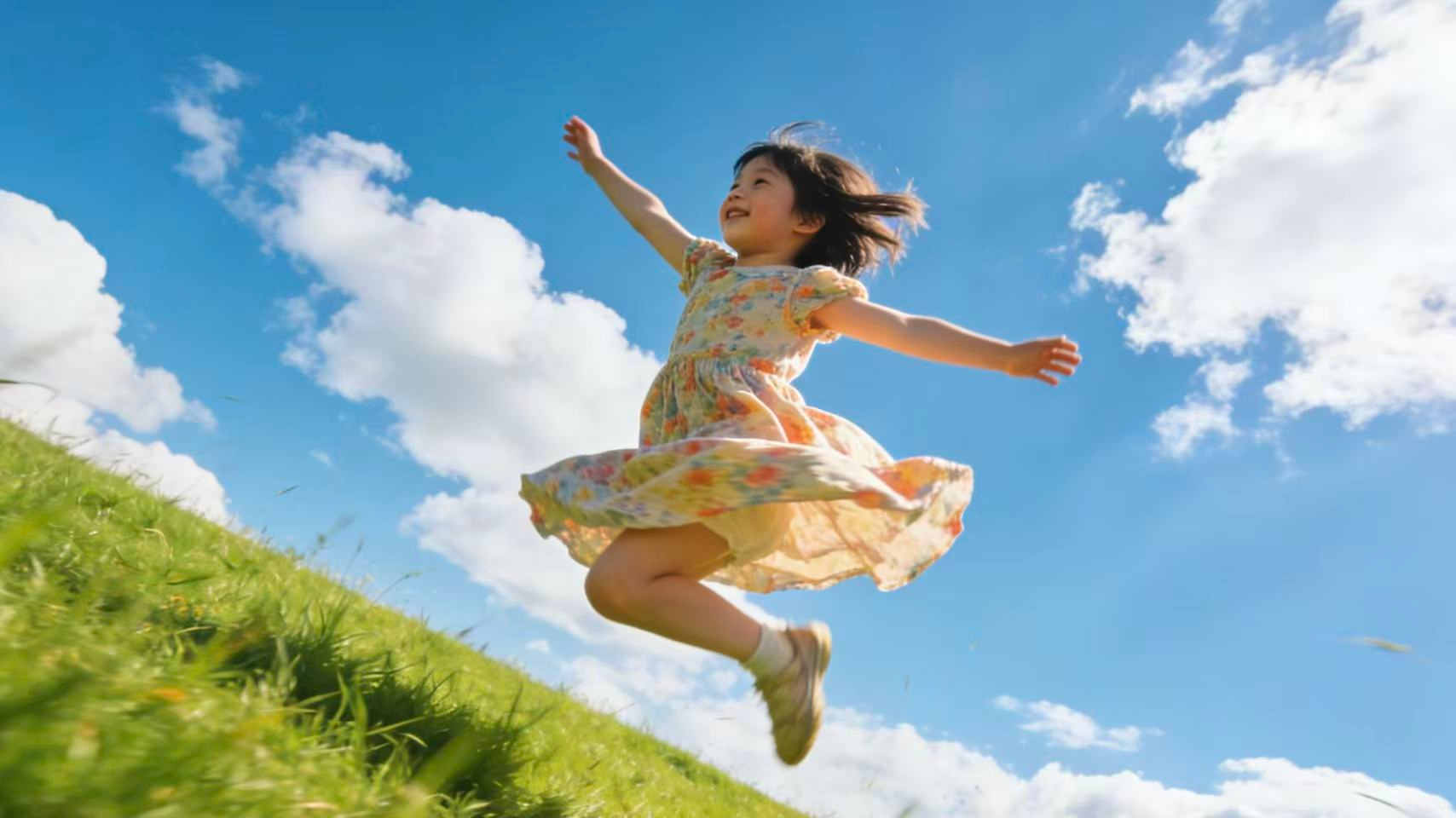
跳跃运动 - 骨骼的「压力测试仪」
代表项目有:跳绳、篮球、摸高、立定跳远, 通过给下肢骨骼施加纵向压力, 刺激骨骼板细胞分裂, 促进长骨生长。
建议每天20-30分钟, 可分次完成
拉伸运动 - 脊柱的「拉长器」
代表项目有:瑜伽、体操、压腿、体前屈, 可以放松肌肉, 改善体态, 增加脊柱柔韧性, 让身高 「站得更直」。
建议每天10-15分钟, 早晚各1次
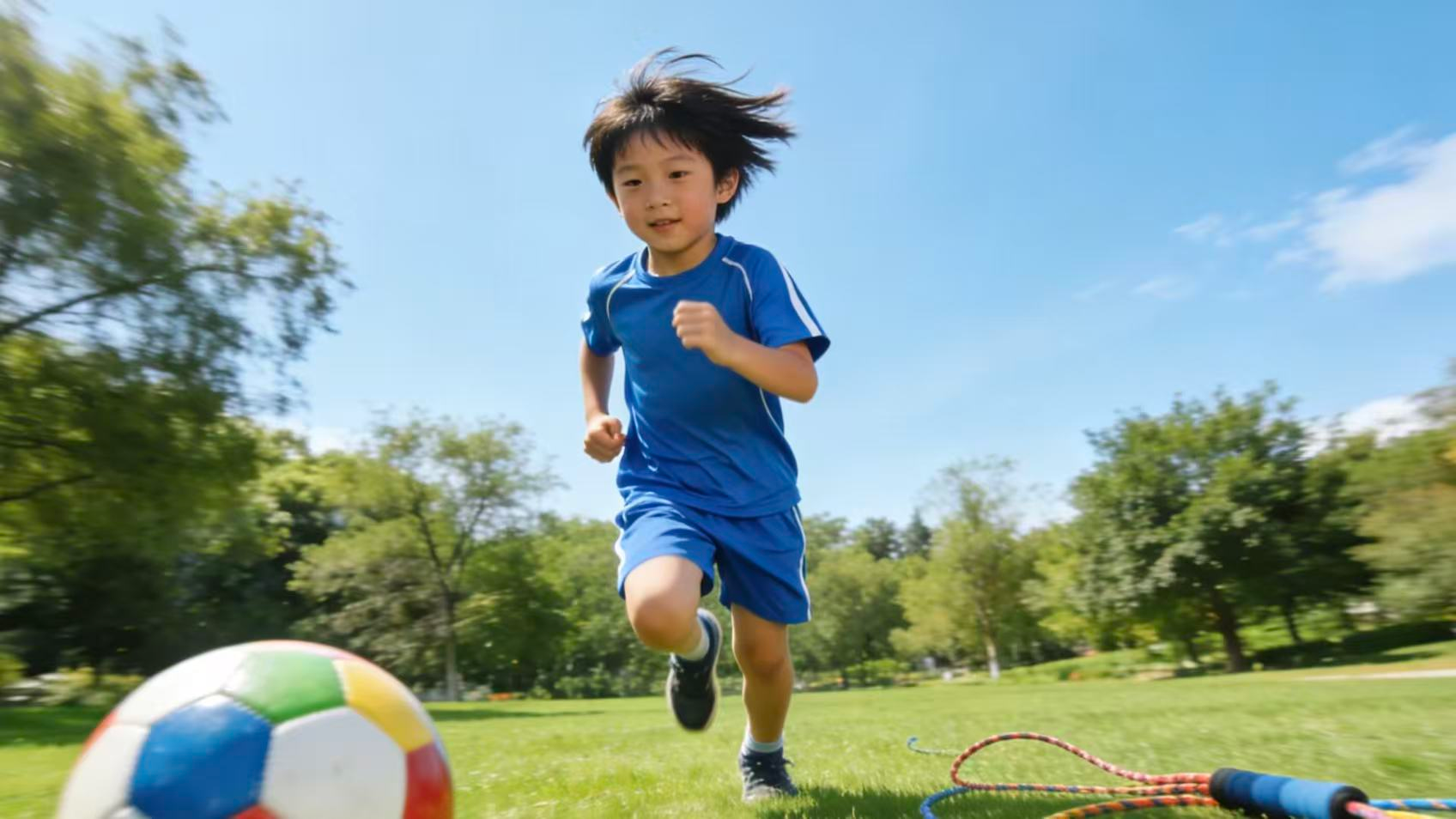
有氧运动 - 身体的「加速器」,
代表项目有跑步、游泳、骑车、球类运动, 可以促进血液循环, 提高新陈代谢, 帮助营养输送到骨骼。
建议每周3-5次, 每次30-60分钟
图片来源:AI生成
30分钟运动组合的「黄金配方」
配方1:跳绳10分钟(分2-3组)+ 拉伸5分钟(压腿、体前屈)+ 慢跑15分钟。
配方2:打篮球20分钟(投篮、运球)+ 瑜伽10分钟(猫式、下犬式)。
配方3:游泳20分钟(自由泳、蛙泳)+ 摸高10分钟(原地起跳摸高)
运动强度以孩子微微出汗、呼吸加快为宜, 不要过度疲劳
误区
过度运动:每天运动超1小时, 或做高强度负重运动(如大重量深蹲), 会损伤生长板, 反而影响长高
运动时间不对:睡前1小时内剧烈运动, 会影响深度睡眠, 而生长激素主要在夜间深度睡眠时分泌
三天打鱼两天晒网:运动需要长期坚持, 每周至少坚持3次, 才能看到效果
图片来源:AI生成
别再让孩子只练一种运动啦!
把跳跃、拉伸、有氧运动科学组合, 坚持规律、适度运动, 再配合充足营养和睡眠, 才能全面刺激骨骼生长, 帮孩子充分发挥生长潜力。
记住:运动促长高的关键是「全面、适度、坚持」, 找对方法比盲目运动更重要~
以上内容经壹童慧专家团队审核
参考文献
【1】Bass, S. L., Eser, P., & Daly, R. (2005). The effect of exercise and nutrition on the mechanostat. Journal of Musculoskeletal and Neuronal Interactions, 5(3), 239-254.
【2】Faigenbaum, A. D., Kraemer, W. J., Blimkie, C. J., Jeffreys, I., Micheli, L. J., Nitka, M., & Rowland, T. W. (2009). Youth resistance training: updated position statement paper from the national strength and conditioning association. The Journal of Strength & Conditioning Research, 23(5 Suppl), S60-S79.
【3】Malina, R. M. (2010). Early sport specialization: roots, effectiveness, risks. Current Sports Medicine Reports, 9(6), 364-371.
【4】Lloyd, R. S., & Oliver, J. L. (2012). The youth physical development model: A new approach to long-term athletic development. Strength and Conditioning Journal, 34(3), 61-72.
【5】Strong, W. B., Malina, R. M., Blimkie, C. J., Daniels, S. R., Dishman, R. K., Gutin, B., ... & Trudeau, F. (2005). Evidence based physical activity for school-age youth. The Journal of Pediatrics, 146(6), 732-737.
【6】Janssen, I., & LeBlanc, A. G. (2010). Systematic review of the health benefits of physical activity and fitness in school-aged children and youth. International Journal of Behavioral Nutrition and Physical Activity, 7(1), 40.
【7】Rogol, A. D., Clark, P. A., & Roemmich, J. N. (2000). Growth and pubertal development in children and adolescents: effects of diet and physical activity. The American Journal of Clinical Nutrition, 72(2), 521S-528S.
【8】Van Cauter, E., & Spiegel, K. (1999). Sleep as a mediator of the relationship between socioeconomic status and health: a hypothesis. Annals of the New York Academy of Sciences, 896(1), 254-261.
【9】中国营养学会. (2021). 中国学龄儿童膳食指南(2022). 人民卫生出版社.
【10】中华医学会儿科学分会. (2018). 中国儿童青少年身体活动指南. 中华儿科杂志, 56(6), 401-409.
【11】Brenner, J. S., & Council on Sports Medicine and Fitness. (2007). Overuse injuries, overtraining, and burnout in child and adolescent athletes. Pediatrics, 119(6), 1242-1245.
【12】DiFiori, J. P., Benjamin, H. J., Brenner, J. S., Gregory, A., Jayanthi, N., Landry, G. L., & Luke, A. (2014). Overuse injuries and burnout in youth sports: a position statement from the American Medical Society for Sports Medicine. Clinical Journal of Sport Medicine, 24(1), 3-20.